

You expected the toothache to disappear once your cavity was filled, so feeling a sharp twinge when you drink cold water or discomfort when you bite can be frustrating. Does the filling need more time to settle, or is something happening deeper inside the tooth? Some sensitivity after dental work can be temporary, while persistent or worsening pain warrants further evaluation.
In certain cases, an evaluation may determine whether a root canal in Norristown, PA, is needed to address the source of the pain.
Why Can a Tooth Hurt After a Filling?
Some discomfort after a filling can be temporary, while other symptoms may indicate that the tooth needs another evaluation. The type, intensity, and duration of your symptoms can provide useful clues about what may be happening.
The Tooth May Be Temporarily Sensitive
Some sensitivity to pressure, cold, or heat may occur after a filling. The tooth has been worked on, and the tissues inside it may need time to settle. Mild sensitivity that gradually improves is different from pain that becomes stronger, lingers after exposure to hot or cold temperatures, or repeatedly interrupts your day.
The Filling May Affect Your Bite
A new filling that sits slightly higher than the surrounding teeth can receive extra pressure whenever you bite down. You may notice that the treated tooth contacts your other teeth before the rest or feels sore when chewing. A dentist can examine your bite and determine whether the restoration needs attention.
Decay May Have Reached Deep Into the Tooth
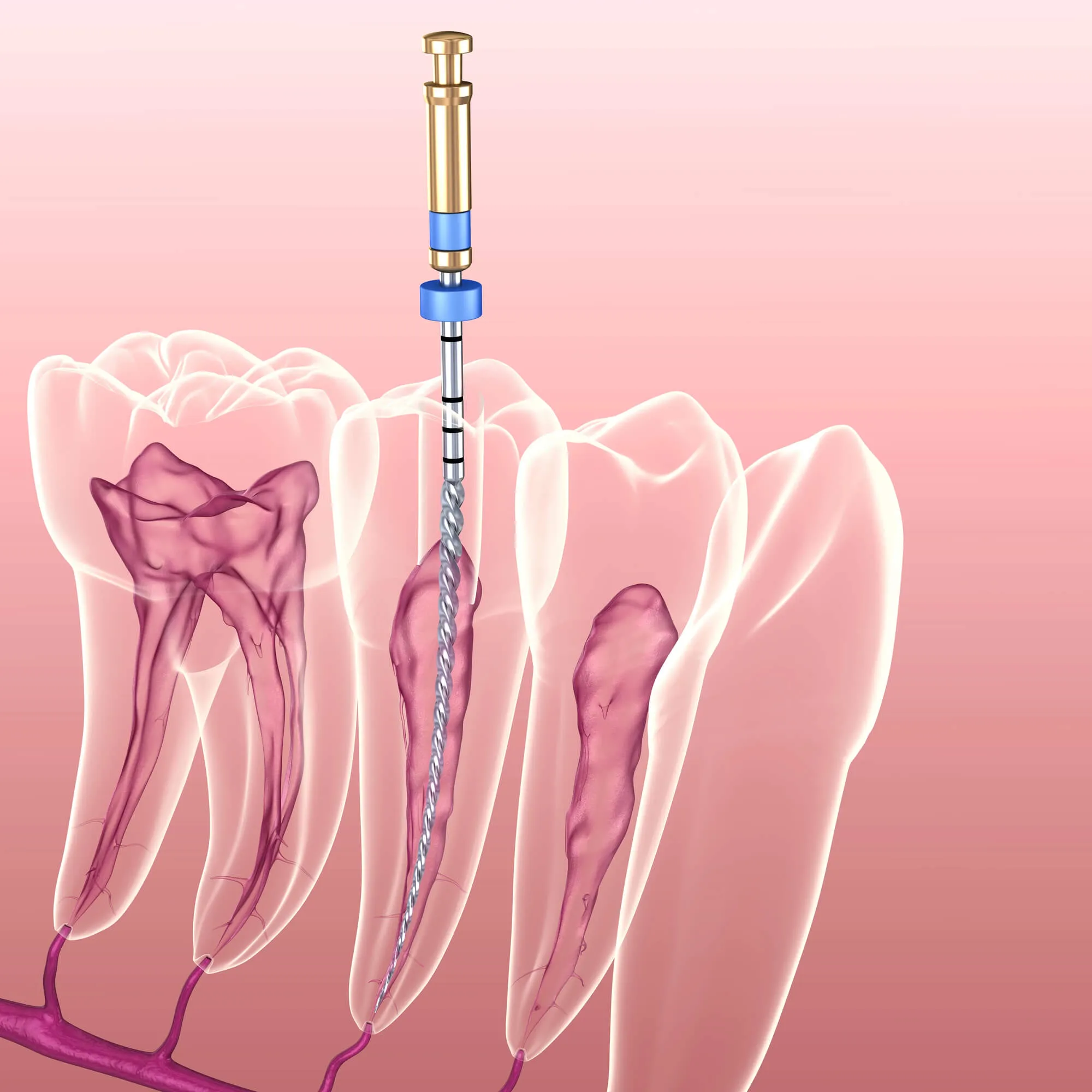
Every tooth contains soft tissue called the pulp, which houses nerves and blood vessels. A deep cavity can irritate or damage this tissue even after the decayed portion of the tooth has been removed and filled.
Symptoms that deserve a dental evaluation include:
- Severe or increasing tooth pain
- Lingering sensitivity to hot or cold temperatures
- Pain when biting or chewing
- Swelling or tenderness near the tooth
- A pimple-like bump on the gums
These symptoms do not automatically mean you need root canal therapy. A dental examination is necessary to determine what's causing them.
When Might Root Canal Therapy Be Needed?
If decay or damage has affected the pulp inside the tooth, root canal therapy may be recommended to remove the infected tissue and preserve the tooth. During treatment, the affected material inside the tooth is removed, the area is cleaned, and the tooth is filled. A dental crown may then be used to protect the treated tooth.
Frequently Asked Questions
How long should sensitivity last after a filling?
Sensitivity varies depending on the tooth and the depth of the cavity. What matters is whether symptoms are gradually improving. Pain that persists, becomes more intense, or interferes with normal function should be evaluated.
Does pain after a filling always mean I need a root canal?
No. Temporary sensitivity and bite-related discomfort are other possible causes. Your dentist can examine the tooth and may take a digital X-ray to determine what is happening beneath the surface.
Can a tooth need a root canal without severe pain?
Yes. Some teeth that require root canal treatment produce few or even no noticeable symptoms. Dental examinations and X-rays can help identify problems that may not be obvious from discomfort alone.

Could You Need a Root Canal in Norristown, PA?
Pain after a filling doesn't necessarily mean something has gone wrong, but discomfort that persists or becomes worse deserves attention. At Carp Dental, digital X-rays and a careful evaluation can help determine what's happening inside the tooth and whether root canal therapy or another treatment is appropriate.
Our approach focuses on addressing the source of dental pain while protecting the tooth whenever possible. If your filled tooth still hurts, schedule an appointment to have it evaluated.
.svg)