
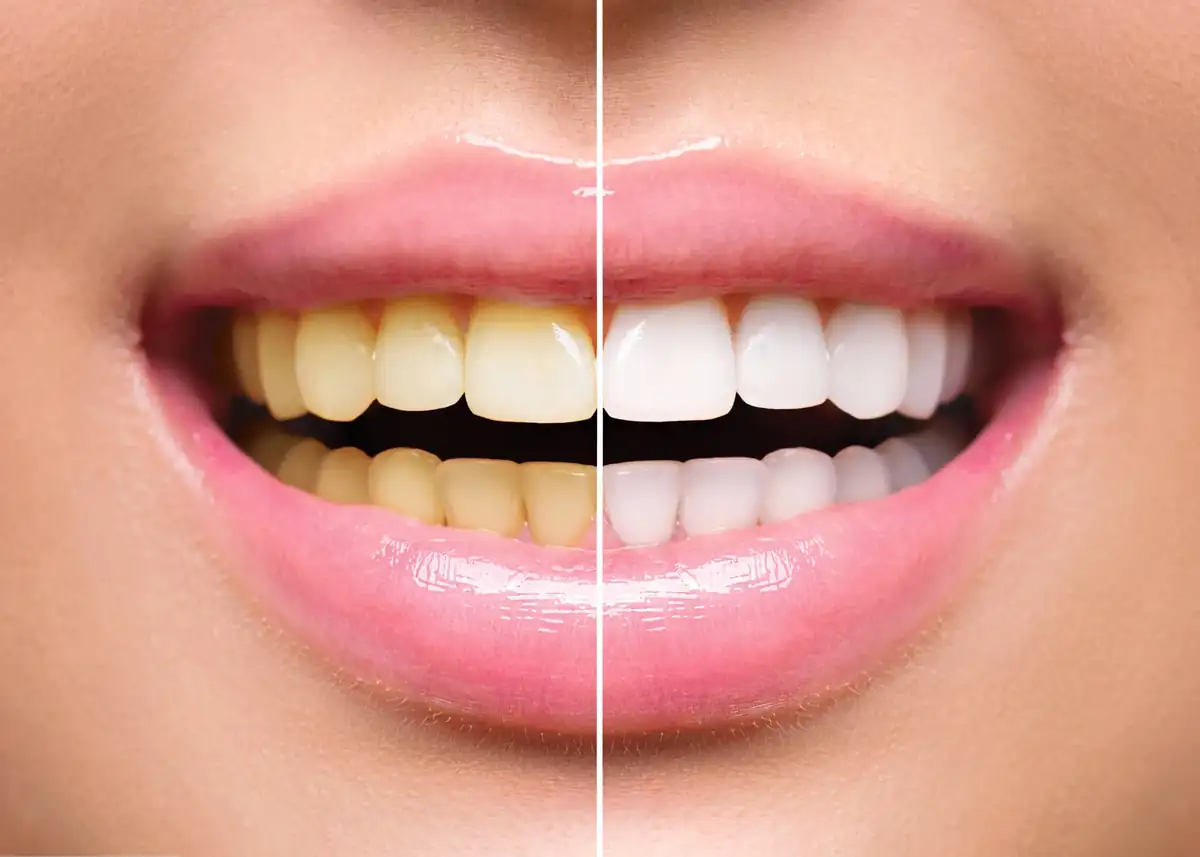
You brush twice a day, floss regularly, and try to take good care of your teeth. Still, your smile doesn't seem as bright as it used to be. That can be frustrating, especially when your oral hygiene routine hasn't changed. Brushing removes plaque and surface debris, but it cannot prevent every type of discoloration. If you've been wondering whether teeth whitening in Norristown, PA, could improve your smile, it first helps to know why teeth become yellow in the first place.
Why Teeth Can Lose Their Bright Appearance
Natural Aging Changes Tooth Color
As you get older, the outer layer of enamel gradually becomes thinner through normal wear. The dentin beneath the enamel has a naturally yellow shade, so it becomes more noticeable over time. This process is a normal part of aging and can occur even when your teeth are healthy.
Foods and Drinks Leave Behind Stains
Coffee, tea, red wine, berries, dark-colored sauces, and other highly pigmented foods can gradually stain the outer surface of your teeth. These stains build up slowly, so the change in color may not be obvious from one day to the next. Tobacco products can also contribute to yellow or brown discoloration.
Some Causes Go Beyond Surface Stains
Not all discoloration comes from what you eat or drink. Tooth color may also change because of certain medications, excessive fluoride exposure during tooth development, or changes within the tooth itself. These types of discoloration may not respond the same way as surface stains and often require a professional evaluation.
Brushing Has Its Limits
Daily brushing is one of the best ways to protect your teeth and gums, but it cannot remove stains that have settled beneath the enamel. It also cannot reverse the natural changes that occur as teeth age. Good oral hygiene supports a healthy smile, but discoloration may still develop because of factors beyond your toothbrush.
Signs Your Tooth Discoloration May Benefit From Professional Whitening
Professional whitening may be worth discussing if you notice:
- Yellowing that doesn't improve with brushing
- Stains from coffee, tea, red wine, or tobacco
- Teeth that have gradually darkened with age
- Uneven tooth color caused by surface staining
- A dull smile before an upcoming special event
A dental evaluation can help determine whether professional whitening is likely to produce the results you're hoping for.
Frequently Asked Questions
Can brushing harder make my teeth whiter?
No. Brushing harder does not remove stains beneath the enamel and may contribute to enamel wear or gum irritation. Brushing gently with proper technique is more effective.
Will whitening work on crowns or fillings?
No. Professional whitening only changes the color of natural teeth. Existing crowns, veneers, and tooth-colored fillings will remain the same shade.
How long do whitening results last?
Results vary from person to person. Habits such as drinking coffee, tea, red wine, or using tobacco products may cause stains to return sooner, and touch-up treatments may be recommended over time.
Is Teeth Whitening in Norristown, PA Right for You?
Yellow teeth aren't always a sign of poor brushing habits. Aging, everyday foods and drinks, and other factors can gradually change the color of your teeth even when your oral hygiene is excellent. At Carp Dental, care is personalized to your smile, goals, and oral health. If you're interested in teeth whitening in Norristown, PA, schedule a consultation to learn whether professional whitening is the right option for you.
.svg)