

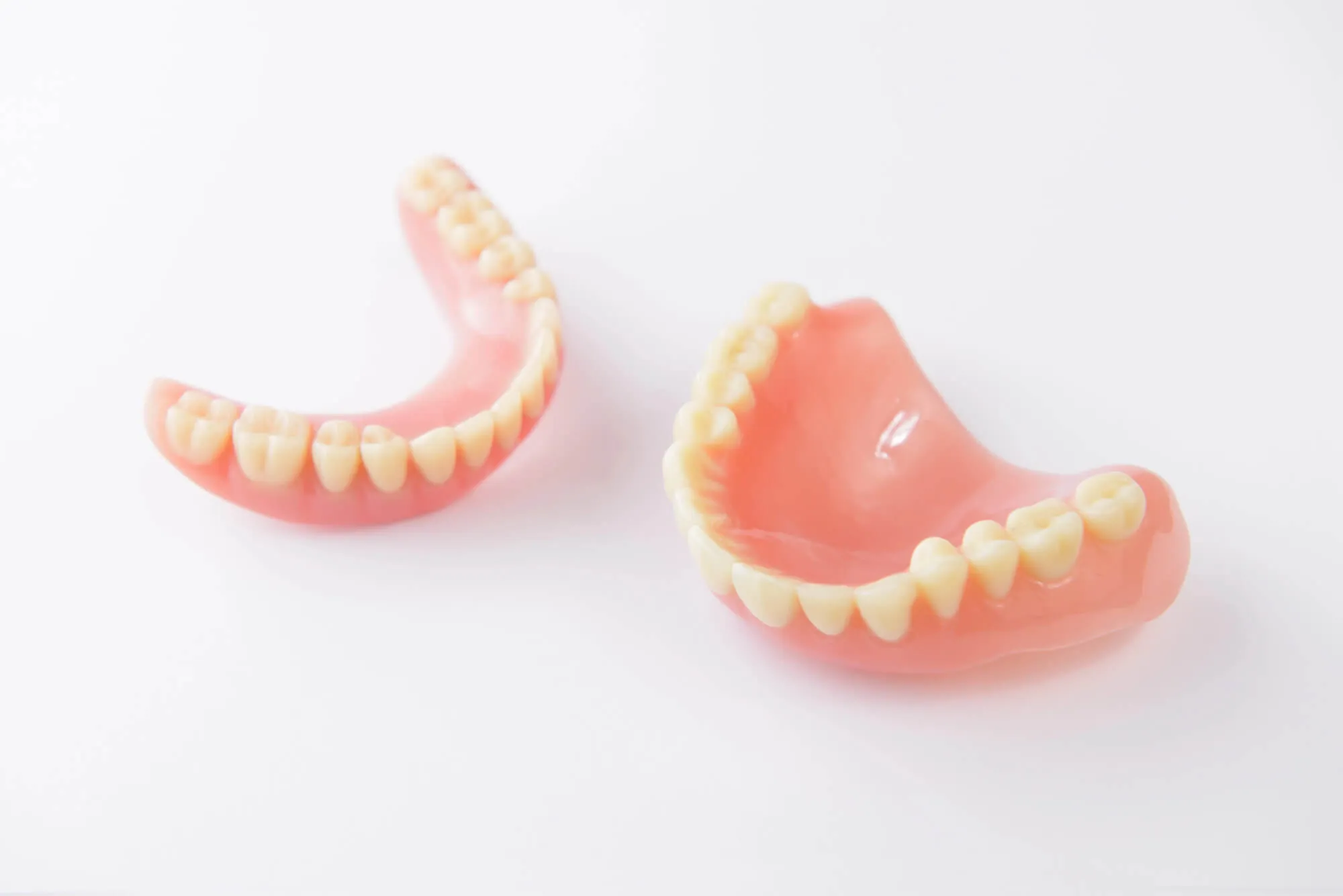
Tooth loss can change small parts of daily life in noticeable ways. Favorite foods may feel harder to chew, conversations may feel different, and smiling in photos might take a little more thought. After a dental visit, dentures may be mentioned as one possible way to restore comfort and function. For patients considering dentures in Norristown, PA, it helps to know that dentists first review gum health, bone support, and long-term comfort before recommending any plan.
How Dentists Evaluate Before Recommending Dentures
Overall Gum and Oral Health
Dentists begin by checking the condition of the gums and the remaining teeth. Healthy gums help dentures sit comfortably and stay stable. If infection, decay, or irritation is present, those concerns are addressed first. This may involve cleanings, periodontal care, or restorative work before denture planning continues.
Number and Condition of Remaining Teeth
Some patients still have teeth that can be preserved. Dentists evaluate whether those teeth can support a partial denture or benefit from crowns or bridges. Keeping healthy teeth often improves chewing balance and comfort.
Jawbone Support
The jawbone provides the base for dentures. Dentists assess bone shape and density through exams and imaging. If added stability is needed, implant-supported dentures may be discussed. Dental implants can help secure dentures and improve function during eating and speaking.
Bite Alignment and Jaw Function
Dentists check how upper and lower teeth meet. Bite alignment affects chewing comfort and speech clarity. Jaw movement, clenching habits, and TMJ concerns are also reviewed so dentures fit naturally with everyday function.
Medical History and Daily Habits
Health history can affect healing and comfort. Dentists ask about medications, medical conditions, and habits such as smoking or teeth grinding. These details help guide timing, denture design, and follow-up care.
Appearance and Speech Goals
Dentures are custom-made to match facial features. Dentists review tooth shade, shape, and smile line so dentures look natural. Try-in visits allow adjustments before the final denture is completed. This step helps improve both appearance and speech.
How Dentures Fit into a Larger Care Plan
Dentures are often part of a broader treatment approach. Tooth extractions may be needed before full dentures are made. Partial dentures may work alongside crowns or bridges that support remaining teeth. Implant-supported dentures may be recommended when extra stability is helpful.
Routine dental exams remain important after dentures are placed. Dentists check gum health, denture fit, and bite balance during visits. Over time, relines or adjustments may be suggested to maintain comfort.
Planning dentures carefully helps create a result that supports chewing, speaking, and confidence in daily life.
Feeling Prepared for Denture Treatment
Knowing what dentists evaluate before recommending dentures helps remove guesswork. A thorough review helps identify the option that fits your oral health, lifestyle, and comfort goals. Dentures are designed to restore function while protecting gum health and supporting daily routines. With thoughtful planning and follow-up visits, most patients adjust smoothly and regain confidence in eating and speaking.
Ready to Talk About Dentures in Norristown, PA?
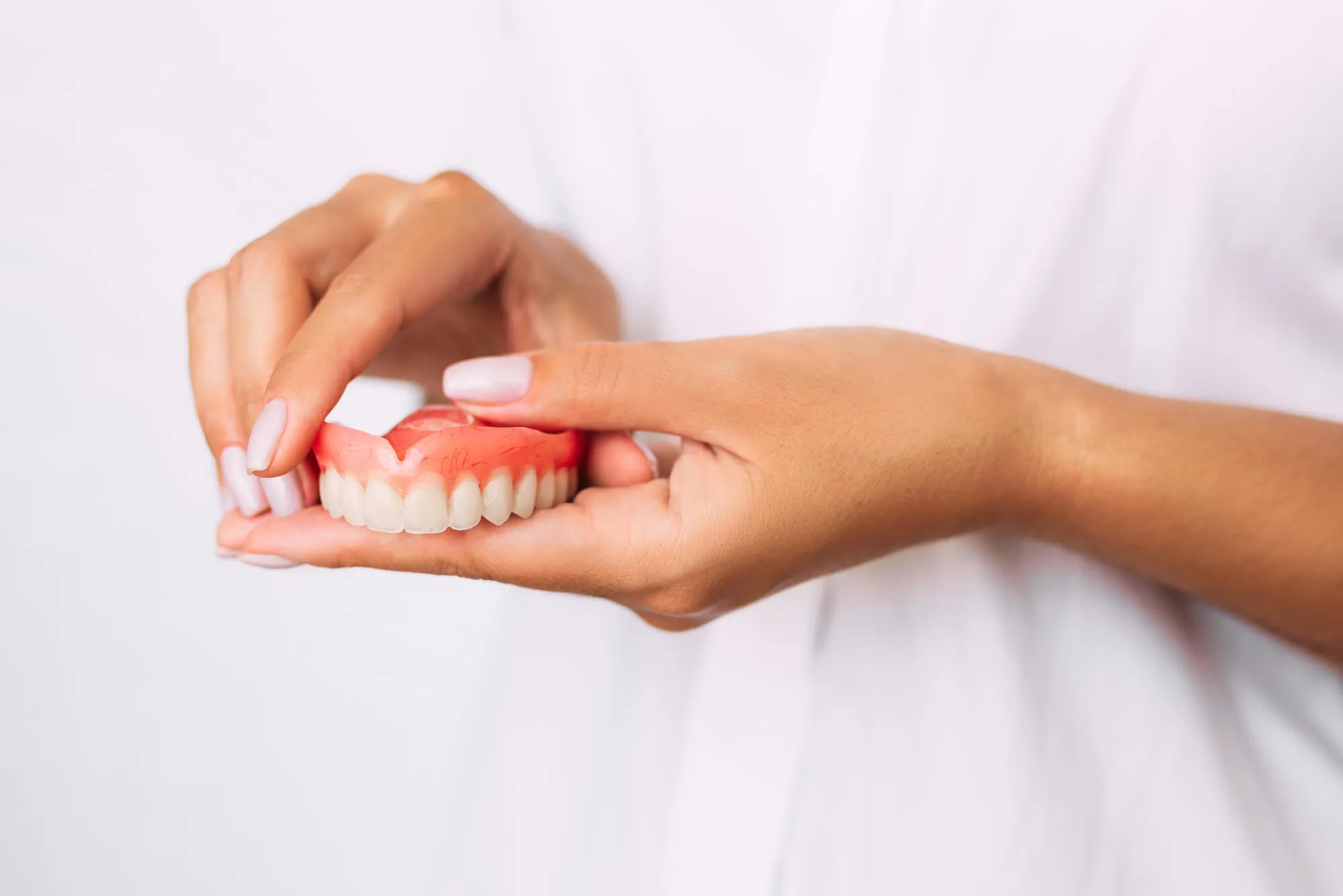
Choosing dentures is an important step, and careful planning makes a big difference in comfort and long-term function. A dental visit gives you the chance to review your oral health, ask questions, and learn which options may fit your needs and lifestyle.
At Carp Dental, care is centered on clear explanations, thoughtful planning, and steady support from your first consultation through follow-up visits. If you’d like guidance about dentures or other restorative options, schedule an appointment with Carp Dental to discuss your concerns and receive care focused on comfort and long-term oral health.
.svg)