

Dental appointments often feel optional when nothing feels wrong. Teeth look fine, brushing feels normal, and there’s no clear reason to book time off work. The challenge is that oral health changes tend to happen quietly. Regular exams help bring clarity to what’s happening now, not just when discomfort shows up. A dentist in Norristown, PA, often sees how routine visits help patients feel informed, prepared, and more confident about their care.

What to Expect During Dental Exams and X-Rays
What Happens During A Dental Exam
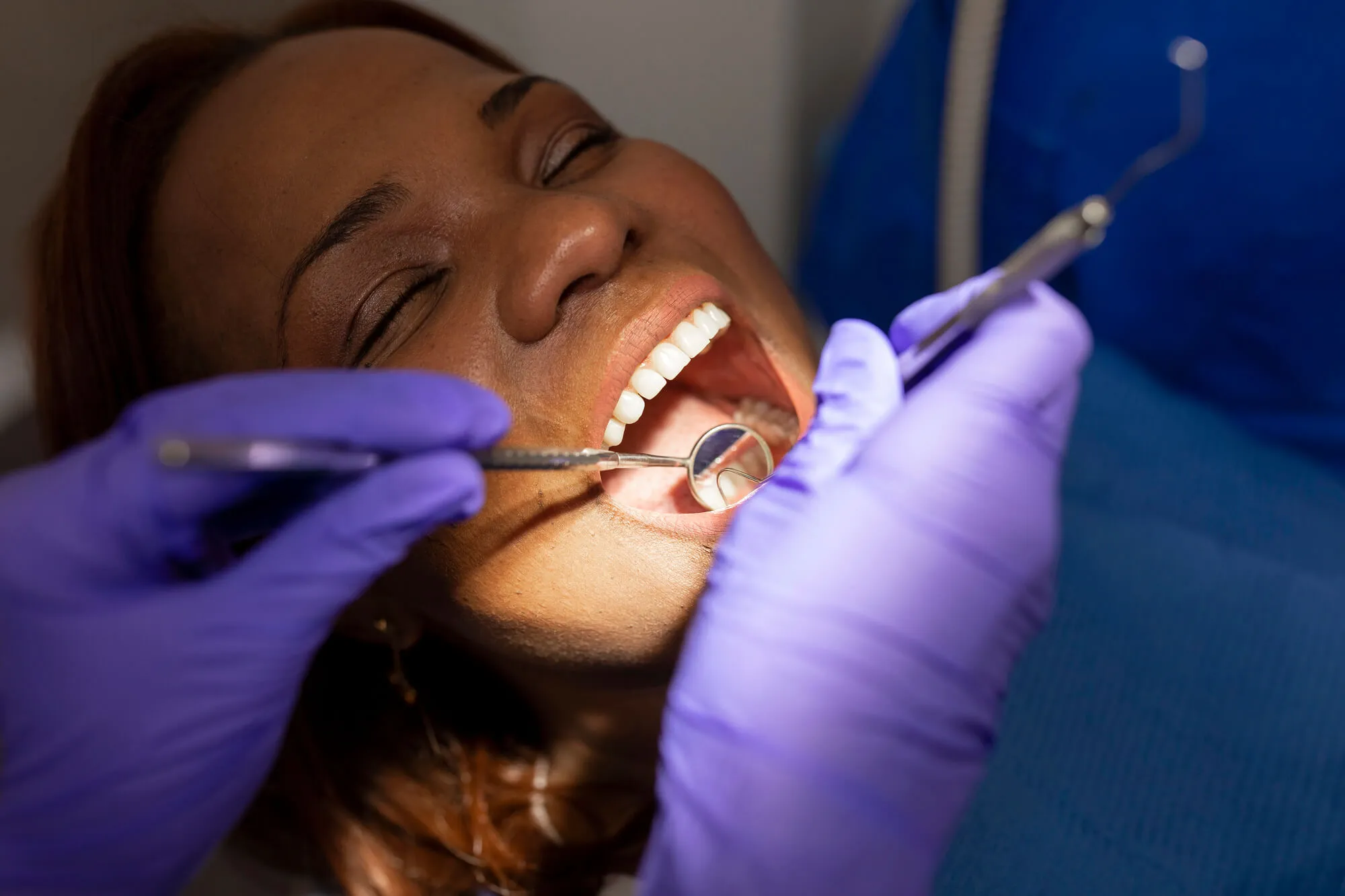
A dental exam is a structured check of your mouth, not just a quick look at your teeth. Dentists review your dental history, ask about changes you’ve noticed, and examine teeth, gums, bite alignment, and soft tissues. They may also assess jaw movement and look for signs of clenching or grinding. The goal is to understand how your oral health is functioning as a whole and how it’s changed since your last visit.
What Dentists Look For During Exams
During an exam, dentists watch for early signs of wear, gum inflammation, enamel changes, and areas that collect plaque more easily. They also look for subtle shifts that may not yet cause discomfort, such as gum recession or bite changes. These observations help guide recommendations and give patients a clearer picture of what’s happening beneath the surface.
What Dental X-Rays Are
Dental X-rays are images that show parts of your mouth that can’t be seen during a visual exam. They capture views of tooth roots, bone levels, and spaces between teeth. For patients new to X-rays, they are quick, digital images taken with minimal radiation. The process usually takes only a few minutes and is designed to feel straightforward and comfortable.
What X-Rays Help Reveal
X-rays help dentists spot changes that develop below the gumline or inside the jawbone. They can highlight areas between teeth, around roots, and near existing dental work. This added perspective supports more accurate planning and clearer explanations during your visit. It also helps dentists track changes over time rather than relying on guesswork.
Why Dentists Recommend X-Rays
X-rays give context that visual exams alone can’t provide. Dentists recommend them when they need more information to thoroughly evaluate oral health. For some patients, X-rays are spaced further apart; for others, they’re used more frequently to monitor specific areas. Recommendations are always based on individual needs rather than a fixed schedule.
How X-Rays Support Oral Health
By revealing early changes, X-rays help guide timely care and thoughtful monitoring. They support conversations about brushing habits, bite alignment, and long-term planning. When patients understand what X-rays show, they feel more involved in their care and more comfortable asking questions.
Schedule Your Next Visit with Our Dentist in Norristown, PA
Exam and X-ray findings help determine how often future visits are scheduled. If everything looks stable, many adults are advised to return every six months. When dentists notice changes in the gums, wear patterns, or areas that require closer attention, visits may be scheduled more frequently. These adjustments help track progress and keep care proactive rather than reactive.
The key is flexibility. Schedules are reviewed periodically and updated as oral health needs change. Clear explanations help patients understand why timing may shift and what to expect moving forward.
If you’re unsure when your last exam or X-rays were completed, our team at Carp Dental is ready to help. Schedule an appointment today and experience care centered on clear communication, comfort, and long-term oral health.
.svg)