

Your new custom dentures are finally in, and the mirror shows a full, confident smile. Then you bite into your first sandwich or say "Mississippi," and something feels off. Your mouth waters more than usual, your gums feel tender, and certain words sound a little different. It's natural to wonder if something is wrong.
The good news is that these early sensations are normal. Knowing what to expect with dentures in Norristown, PA, helps you settle in with more confidence.
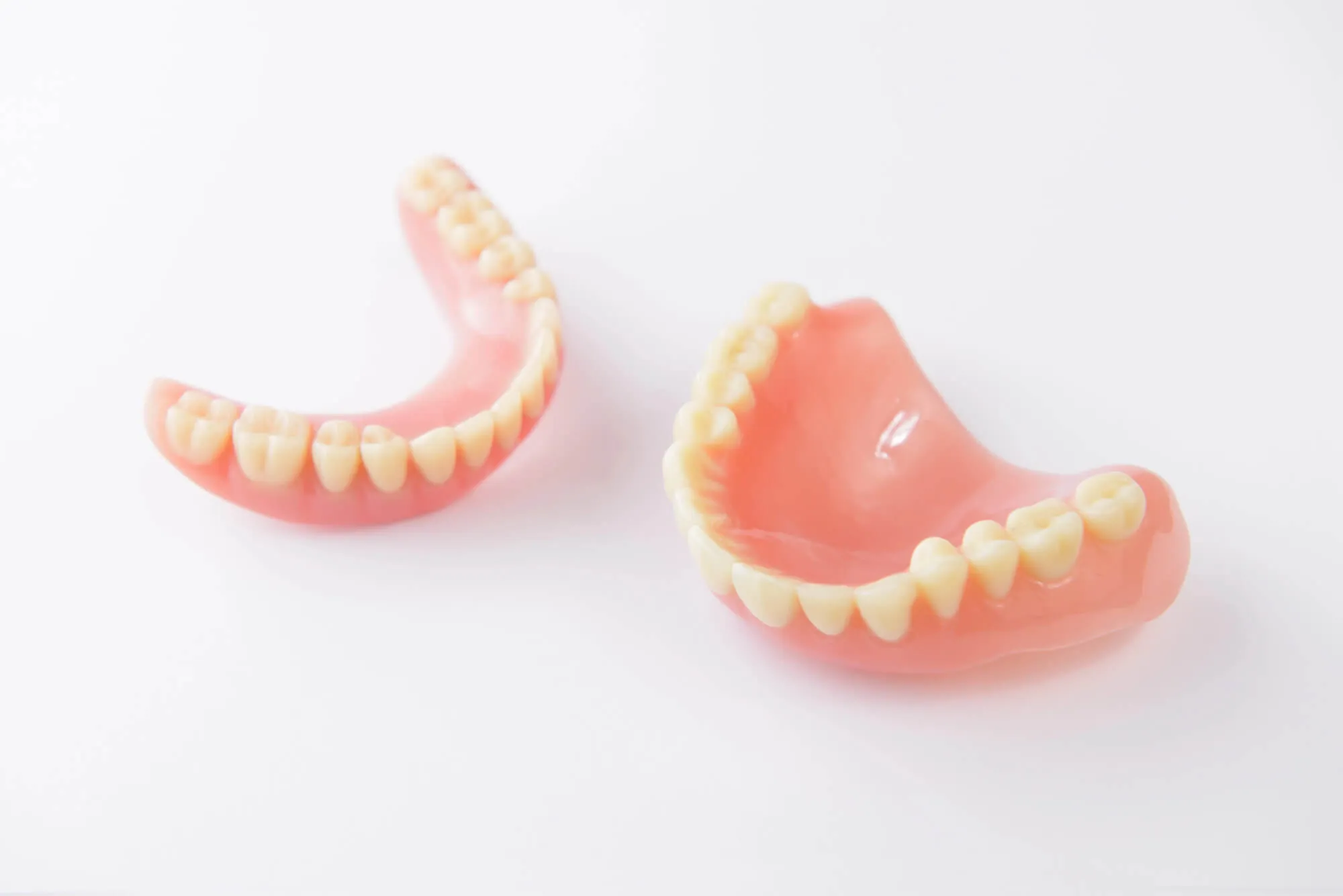
What to Expect During Your First Few Weeks with New Dentures
Extra Saliva Is Part of the Process
Your mouth first treats new dentures like food, so your salivary glands go into overdrive. This extra flow is temporary and tapers off as your mouth gets used to the new appliance. Swallowing a bit more often during the day keeps things comfortable in the meantime.
Mild Soreness Is Expected
Your gums and soft tissues need time to adapt to the pressure of a new appliance. Tender areas or small sore spots may show up during the first couple of weeks. The American Dental Association notes that minor irritation usually fades as you adjust. A sore spot that doesn't improve is a sign your dentures may need a minor adjustment from your dentist.
Speech Takes a Little Practice
Your tongue, lips, and cheeks are learning to work around a new set of teeth. Sounds like "s" and "f" may feel tricky at first. These habits can help your speech sound natural again:
- Read a book or newspaper out loud
- Repeat words that give you trouble
- Speak a little slower than usual
- Sing along to your favorite songs
Chewing Feels Different at First
Start with soft foods like yogurt, eggs, fish, and cooked vegetables. Cut meals into small pieces and chew slowly on both sides of your mouth to keep your dentures stable. Firmer foods can return to your plate as your comfort grows. For those who want extra stability while eating, implant-supported dentures are another option worth asking about.
Good Cleaning Habits Start on Day One
Clean your dentures daily with a denture brush and a denture cleaner. Skip regular toothpaste, since it's abrasive and can scratch the surface. Store your dentures in a denture bath when you're not wearing them. Dentists also recommend brushing your gums, tongue, and any remaining natural teeth to keep your whole mouth healthy.
Frequently Asked Questions
How long does it take to get used to new dentures?
It varies from person to person. Your muscles and tissues usually adapt over several weeks, and wearing your dentures consistently can help speed the process.
Is it normal for new dentures to feel loose?
Yes, at first. Your cheek and tongue muscles are still learning to hold them in place. If looseness continues, your dentist can check the fit and recommend a reline or adjustment.
Will my dentures need changes over time?
Your gums and jaw gradually change shape, which can affect the fit. Routine checkups, relines, and minor adjustments help your dentures last for years.
Ready for a Comfortable Fit With Dentures in Norristown, PA?
The first few weeks with new dentures come with a learning curve, and you don't have to figure it out alone. At Carp Dental, our friendly, caring, and gentle team is devoted to changing lives one smile at a time.
We take the time to fine-tune the fit of your dentures through try-in appointments and follow-up visits, so eating, speaking, and smiling feel natural again. Call us at (610) 275-1565 or book your denture consultation today.
.svg)