

A sudden toothache, a broken tooth during dinner, or a crown that comes loose over the weekend can leave you wondering what to do next. While some dental concerns can wait for a routine appointment, others require prompt attention to relieve discomfort and protect your oral health. Knowing when to contact an emergency dentist in Norristown, PA, and what typically happens during an emergency visit can help you respond with greater confidence.
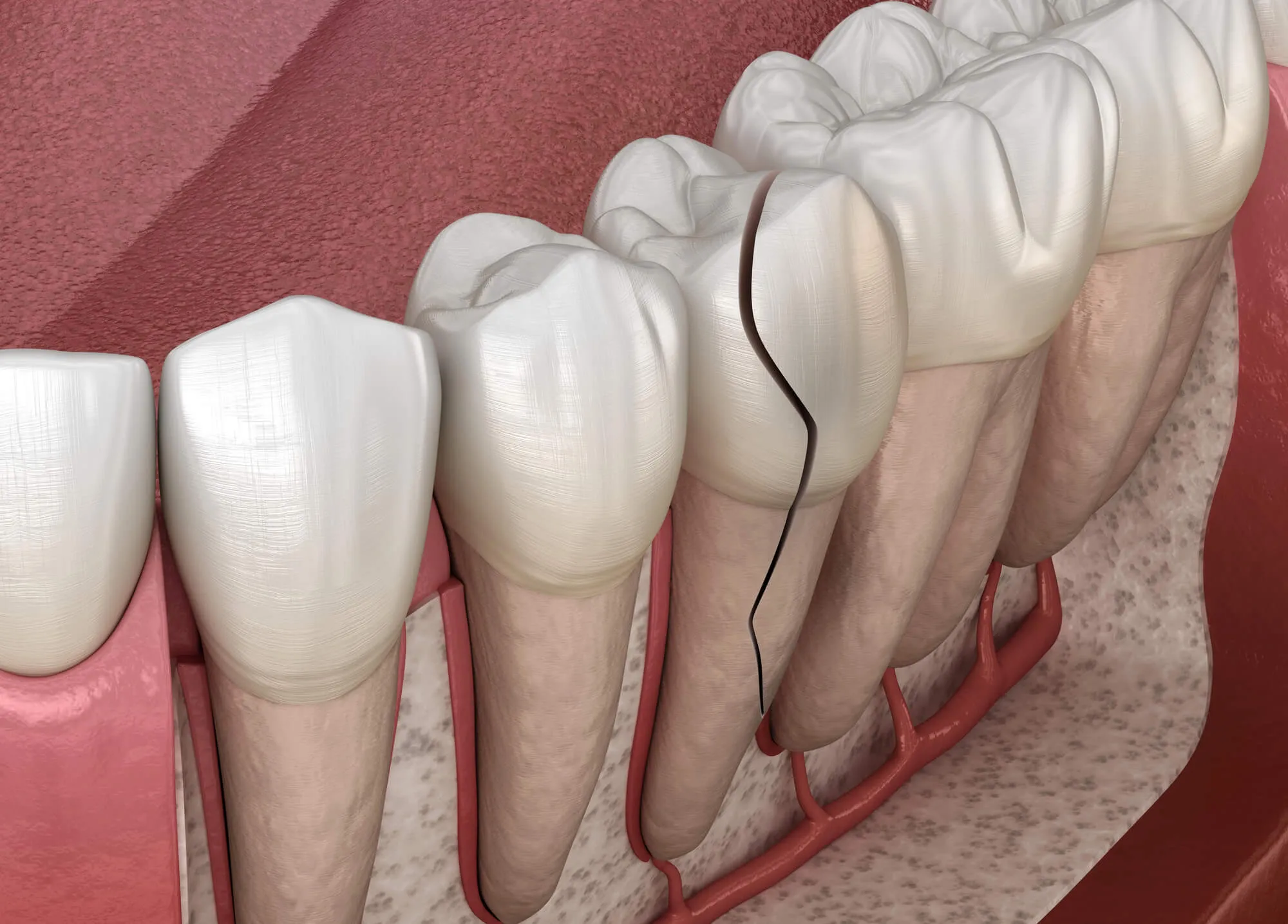
When Should You Call an Emergency Dentist?
Some dental problems require prompt evaluation because delaying care may increase discomfort or complicate treatment. If you're unsure whether your situation is urgent, calling your dental office is often the best first step.
Common Dental Emergencies
The following situations generally warrant an emergency dental evaluation:
- Severe or persistent tooth pain
- A chipped, cracked, or broken tooth
- A knocked-out tooth
- A lost filling or crown
- Swelling around the gums or jaw
- A dental injury caused by an accident or sports-related impact
Prompt treatment may help relieve pain, preserve the affected tooth when possible, and reduce the likelihood of additional complications.
When a Dental Problem May Be Able to Wait
Not every dental concern requires immediate care. Mild tooth sensitivity, a small chip without pain, minor gum irritation, a loose filling or crown without discomfort, or food caught between teeth may be appropriate for a routine appointment.
Even so, it's a good idea to contact your dentist if symptoms persist or worsen, or if you're uncertain about the severity of the problem. A quick phone call can help determine whether you should be seen sooner.
What to Expect During Your Emergency Dental Visit
Seeking emergency dental care can feel stressful but knowing what to expect may help ease some of that uncertainty.
An Examination Comes First
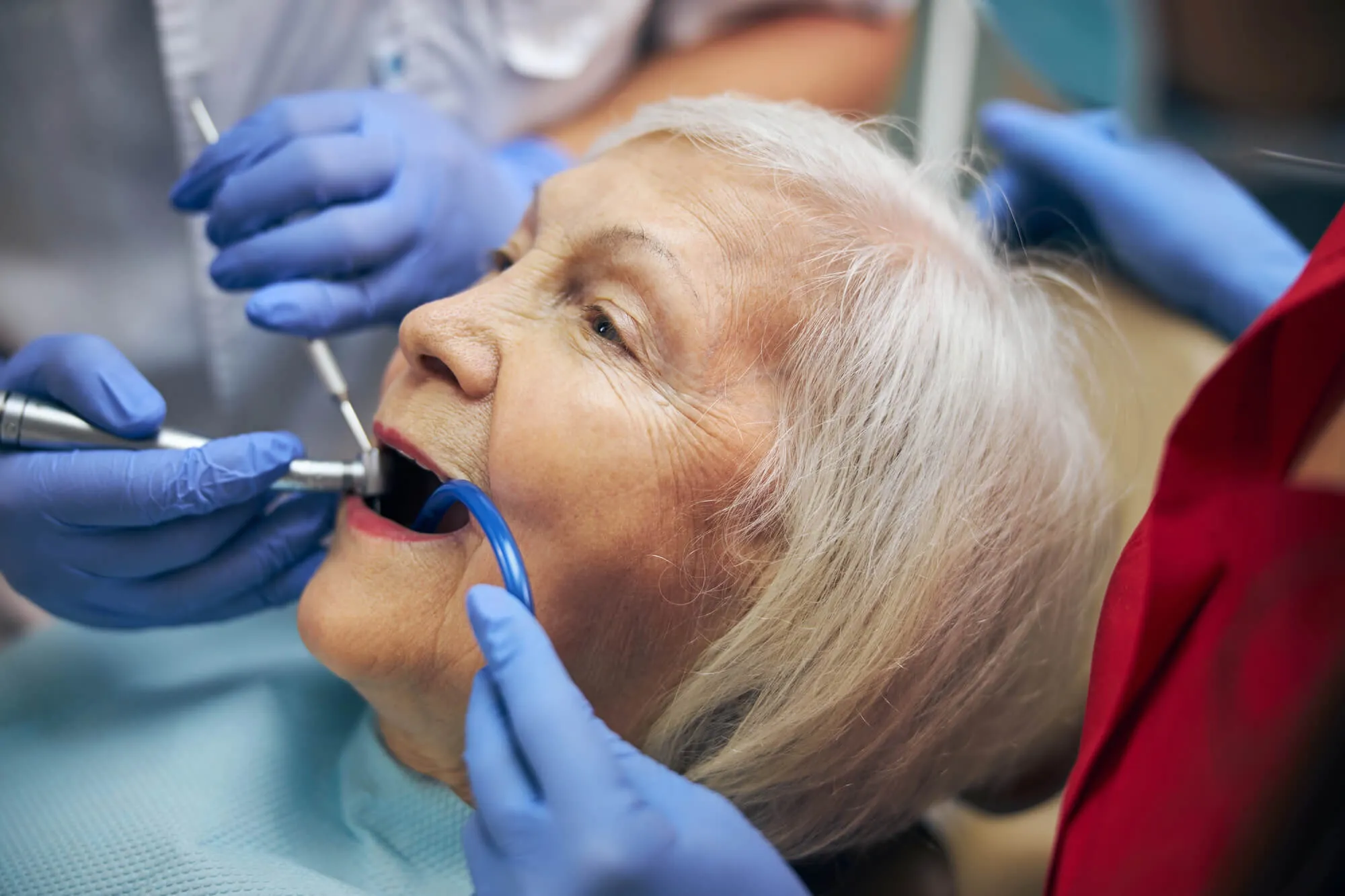
Your dentist will ask about your symptoms, examine the affected area, and may recommend dental X-rays to identify the cause of the problem. This evaluation helps determine the most appropriate course of care.
Your Dentist Will Recommend the Appropriate Treatment
Treatment depends on the type and severity of the emergency. Depending on the findings, your dentist may recommend a filling, crown, root canal therapy, tooth extraction, or temporary treatment to relieve discomfort and stabilize the tooth until follow-up care is provided.
Frequently Asked Questions
Can I wait until my regular dental appointment?
If you have severe pain, swelling, uncontrolled bleeding, or a knocked-out tooth, it's best to seek prompt dental care rather than waiting for your next routine visit.
Should I save a knocked-out tooth?
Yes. Handle the tooth by the crown rather than the root, keep it moist if possible, and seek dental care as soon as you can. Acting quickly may improve the chances of saving the tooth.
What should I do before my appointment?
Avoid chewing on the affected side, keep the area as clean as possible, and follow any instructions provided when you call the dental office. If swelling is present, applying a cold compress to the outside of the face may help reduce discomfort.
Need an Emergency Dentist in Norristown, PA?
Dental emergencies can happen without warning, and prompt care may help relieve pain and protect your oral health. If you're experiencing an urgent dental problem or aren't sure whether it requires immediate attention, Carp Dental offers same-day emergency appointments whenever possible. Schedule an appointment today for timely evaluation and personalized care.
.svg)