
Missing a tooth can change more than your smile. Eating may feel awkward, speech can shift, and confidence often takes a hit. Many patients also worry about what replacement options involve, how long they last, and whether they’ll feel natural. These questions are common for anyone thinking about dental implants in Norristown, PA. Clear information helps ease uncertainty and sets realistic expectations before any decisions are made.
What Dental Implants Are and How They Work
What a Dental Implant Is
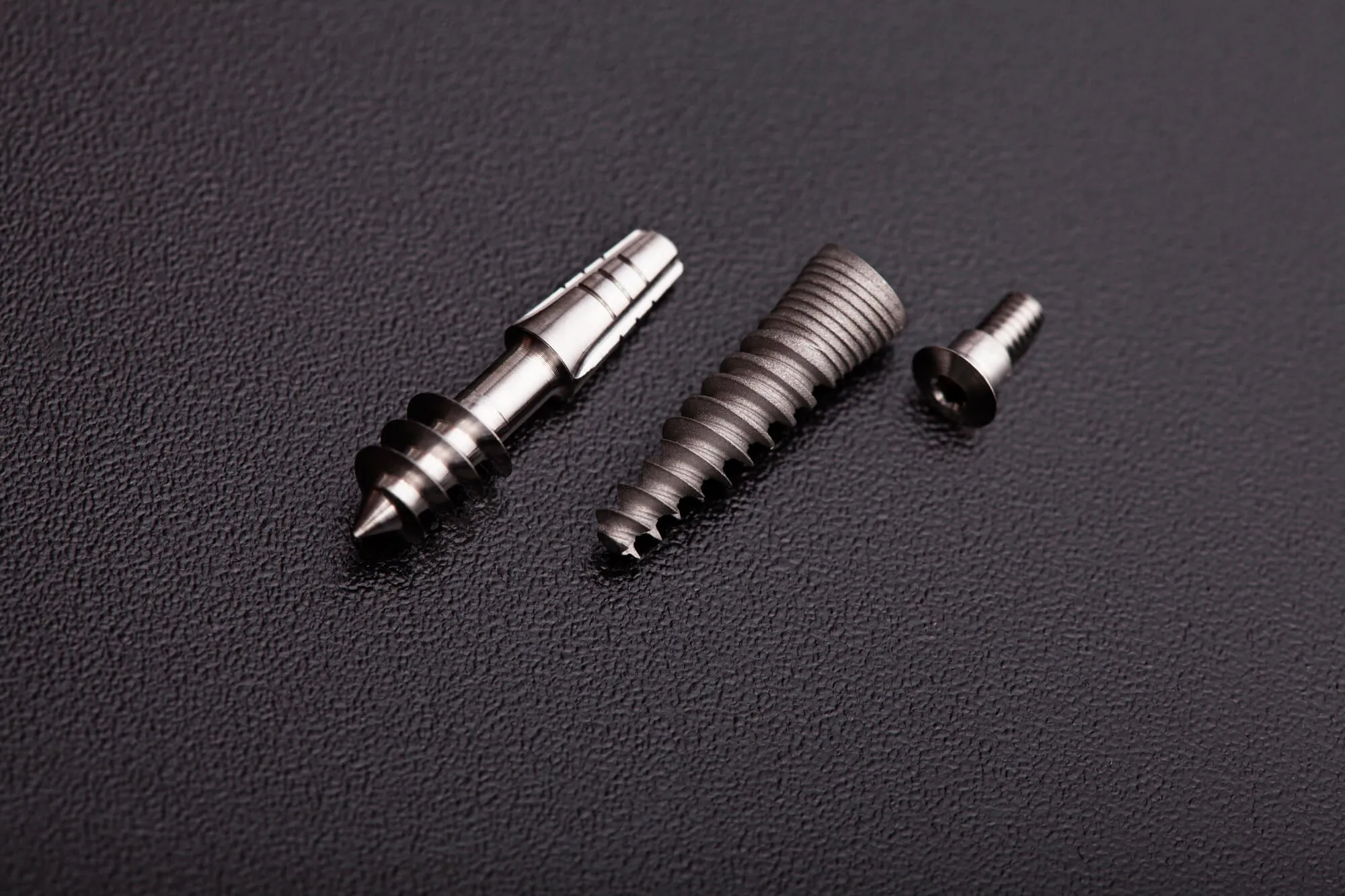
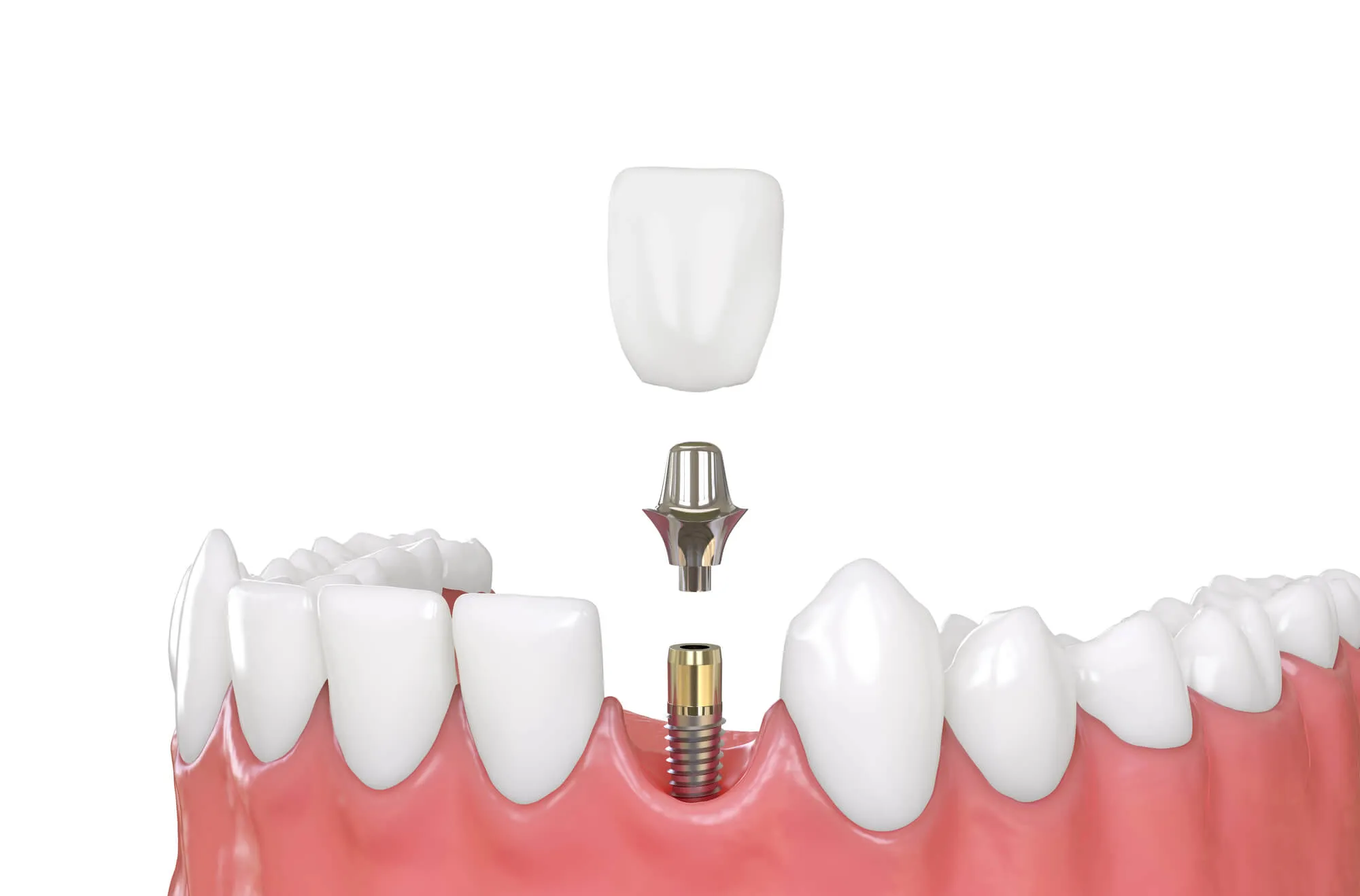
A dental implant is a small post placed in the jawbone to support a replacement tooth. It acts as a stable anchor, holding a crown that looks and functions like a natural tooth. Unlike removable options, implants are designed to stay in place and withstand everyday chewing forces.
How Dental Implants Function
Once placed, the implant integrates with the surrounding bone over time. This creates a strong foundation for the visible tooth above it. The final crown is shaped and shaded to match nearby teeth, allowing it to blend naturally during eating and speaking.
Who Dental Implants May Suit
Implants are often considered by adults who have lost one or more teeth and want a stable replacement. Dentists review bone levels, gum health, and overall oral condition before recommending implants. Medical history and daily habits also factor into planning.
What the Dental Implant Process Looks Like
The process usually involves several stages. It starts with an exam and imaging to assess bone structure. After placement, the implant needs time to stabilize before the final crown is added. Each step is carefully planned, with follow-up visits to monitor healing and ensure comfort.
How Dental Implants Differ From Other Options
Compared to bridges or dentures, implants do not rely on neighboring teeth for support. This helps preserve surrounding tooth structure. Many patients also appreciate that implants feel secure and don’t shift during meals or conversations.
What Dental Implants Are Made From
Implants are commonly made from biocompatible materials such as titanium. These materials have a long history of use in dentistry and are chosen for their strength and compatibility with bone. The crown placed on top is typically crafted from durable, tooth-colored materials.
How Dental Implants Support Oral Health
By filling the space left by a missing tooth, implants help maintain spacing and bite balance. They also support jawbone stimulation during chewing, which can help limit bone changes over time. This contributes to overall oral stability.

How Dentists Decide If Dental Implants in Norristown, PA, Are the Right Option
Before recommending implants, dentists assess several factors. These include bone density, gum condition, bite alignment, and oral hygiene habits. Imaging helps guide planning and sets expectations for timing. If adjustments are needed, dentists discuss alternatives or preparatory steps so patients feel informed and comfortable with the plan.
Dental implant planning is personal rather than one-size-fits-all. Some patients progress quickly, while others benefit from a staged approach to care. Open discussion helps align recommendations with comfort, goals, and long-term oral health.
If you’re considering dental implants and want clear answers without pressure, our team at Carp Dental is here to provide you with all the information you need. Schedule a consultation to discuss your concerns, review your options, and receive care focused on comfort, communication, and lasting oral health.
.svg)