
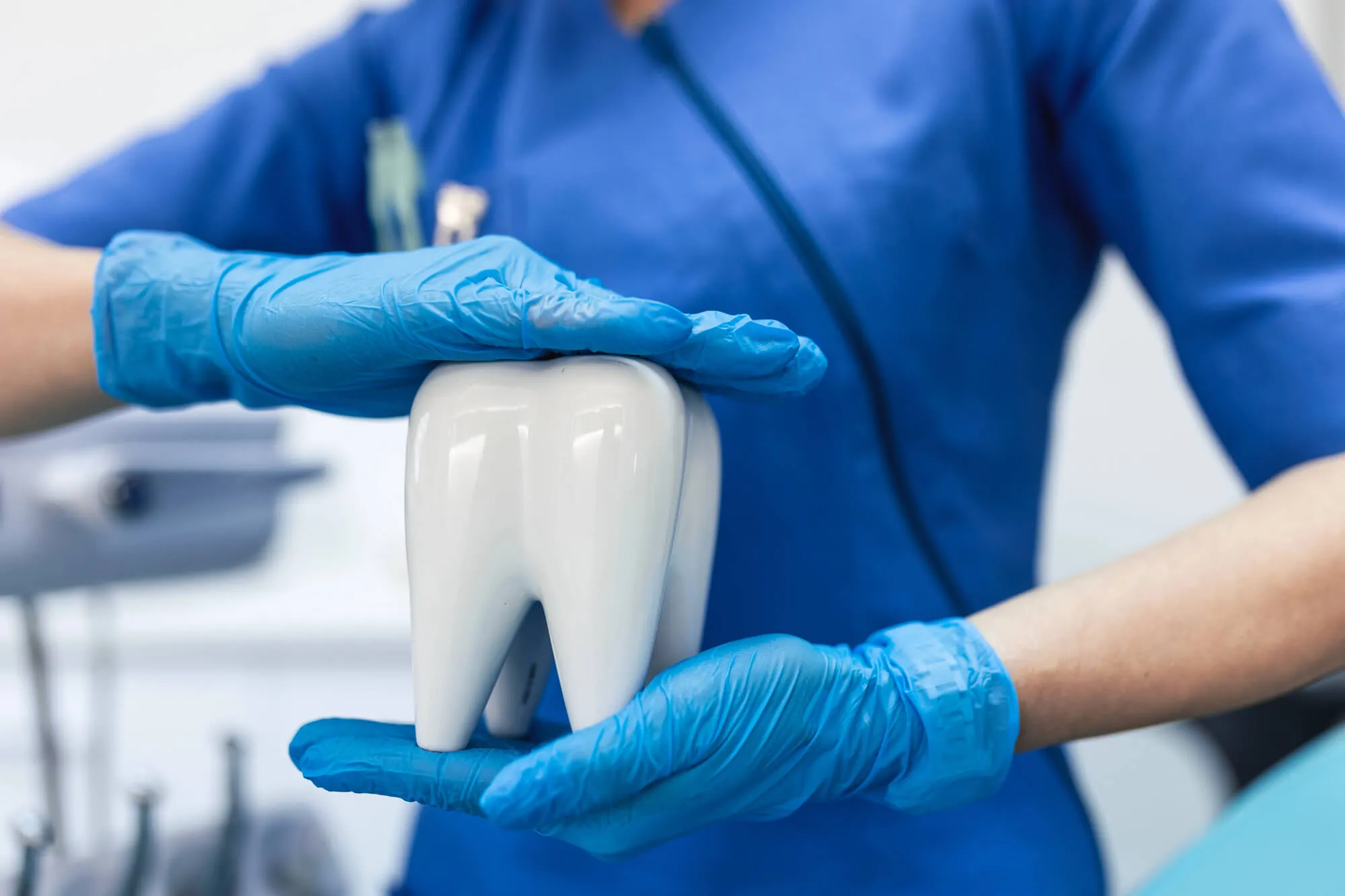
Hearing that a tooth may need a crown can bring up practical concerns. Will the tooth feel different? How long will it last? Will it match the rest of your smile? These are common thoughts after a dental exam, especially when discussing dental crowns in Norristown, PA. Clear information about what crowns are and why they’re recommended helps reduce uncertainty and makes treatment feel more predictable.

What Dental Crowns Do and Why Dentists Recommend Them
What a Dental Crown Is
A dental crown is a custom-made cap that covers a tooth to restore its shape, strength, and function. Crowns are often recommended when a tooth has a large filling, has undergone root canal therapy, or has cracked due to wear or injury. They protect the remaining tooth structure while allowing normal chewing.
When a Crown May Be Recommended
Dentists may suggest crowns after procedures such as root canal therapy, when a tooth needs added support, or when a tooth has been weakened by decay or trauma. Crowns may also be used to complete dental implant treatment or to improve the appearance of teeth affected by wear or discoloration. Each recommendation depends on the tooth’s condition and overall oral health.
How the Crown Process Works
Crown placement usually takes two visits. During the first visit, the tooth is shaped so the crown fits securely. Impressions or digital scans are taken to design the final crown. A temporary crown protects the tooth until the permanent one is ready. At the second visit, the crown is adjusted for comfort and cemented in place.
Materials Used for Dental Crowns
Crowns are made from materials such as porcelain, ceramic, metal alloys, or a combination of these. Tooth-colored materials are often chosen for visible areas, while stronger materials may be used for molars that handle heavier chewing. Your dentist discusses options based on appearance and durability.
How Crowns Feel After Placement
A crown is shaped to match neighboring teeth so it fits naturally with your bite. After placement, mild sensitivity may occur for a short time as the tooth adjusts. Most patients return to normal eating and speaking quickly once the crown settles.
Caring for a Tooth with a Crown
Crowns require the same care as natural teeth. Brushing twice daily, flossing along the gumline, and attending routine dental exams and cleanings help maintain gum health around the crown. Avoid chewing hard objects, such as ice or pens, which may damage dental work.

How Dental Crowns Fit into Long-Term Oral Care
Dental crowns often work together with other treatments to support oral health. After a root canal, a crown restores strength. With dental implants, a crown completes the replacement tooth. In cases of bite changes, crowns may be paired with orthodontic care such as Invisalign to maintain alignment.
Regular dental visits help monitor crowns and surrounding teeth over time. Dentists check the fit, bite balance, and gum health to ensure everything functions comfortably.
A crown is designed to protect your tooth while supporting daily comfort. Knowing what to expect can make the process feel more straightforward.
Do You Have Questions About Dental Crowns in Norristown, PA?
If you’ve been told a tooth may need a crown or want guidance about your options, the team at Carp Dental is here to help. Schedule an appointment to discuss your concerns, review your treatment plan, and receive care focused on clear communication, comfort, and long-term oral health.
.svg)