
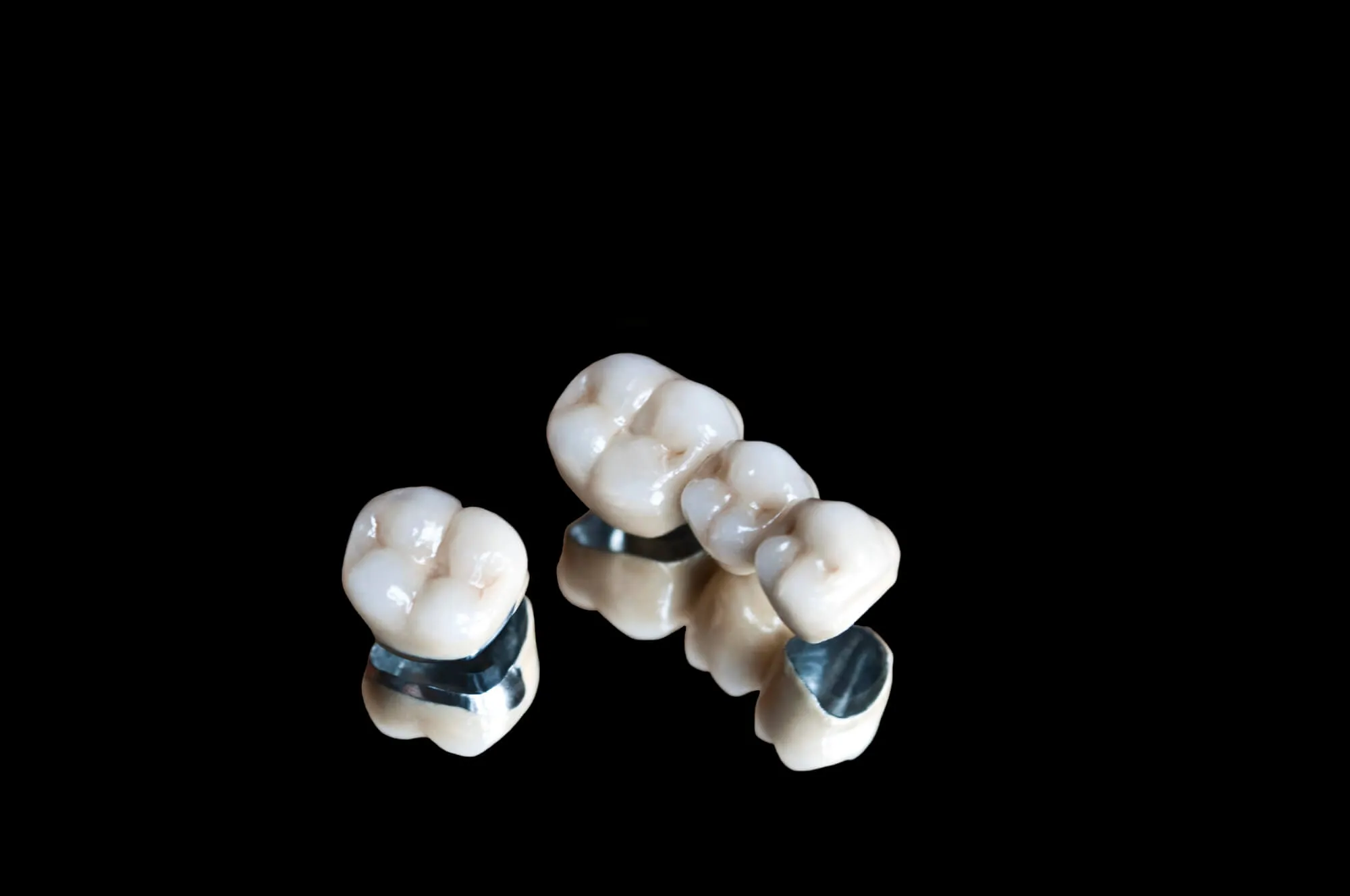
You may have a dental crown that feels perfectly fine during the day, yet wake up with a sore jaw or sensitive teeth and wonder what happened overnight. If you grind or clench your teeth while sleeping, your crown is exposed to forces that differ from those of normal chewing. That can leave you wondering how much pressure the restoration can handle.
For people with dental crowns in Norristown, PA, recognizing how teeth grinding can affect dental work may help catch changes that deserve attention.
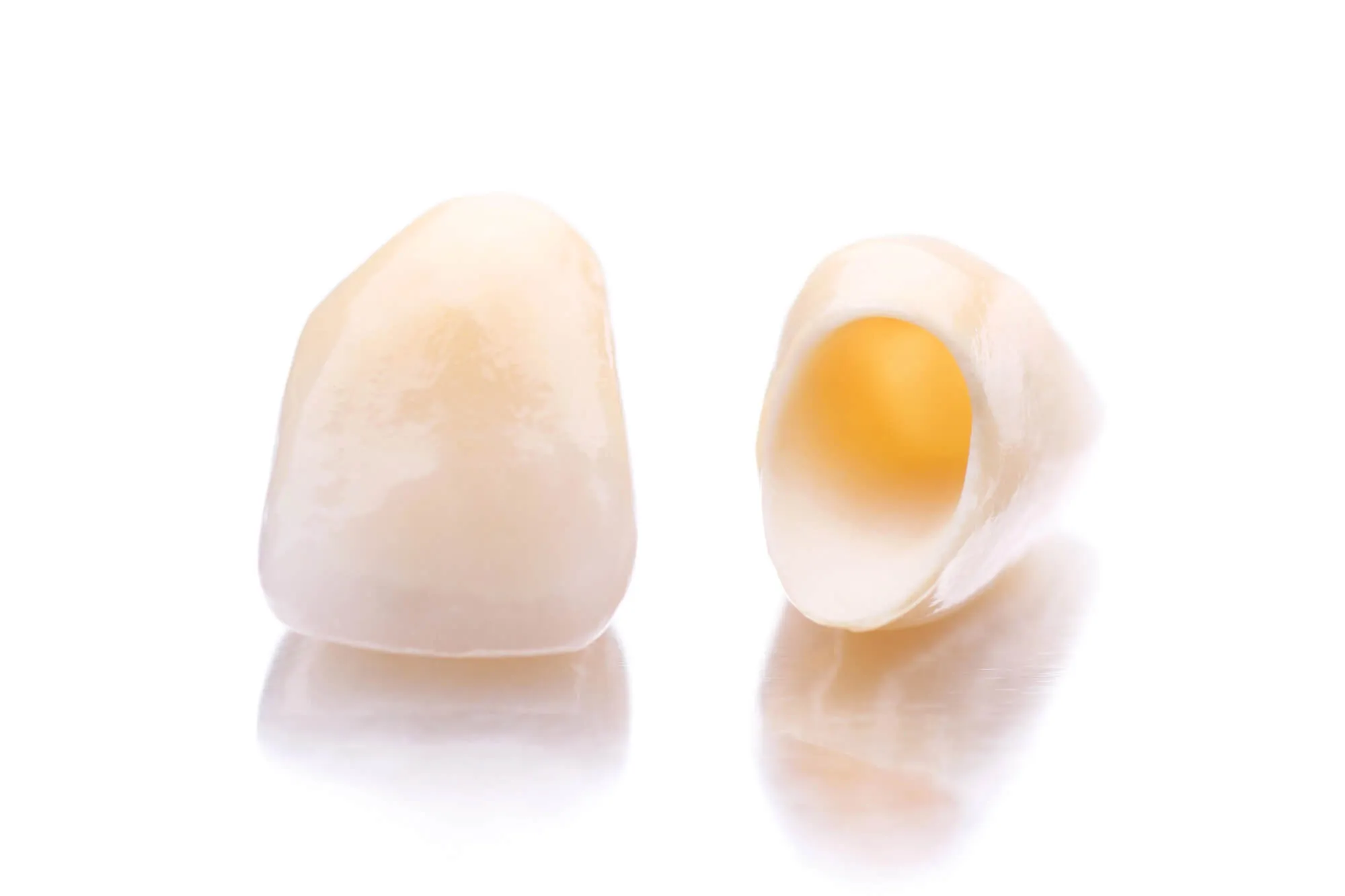
What Happens to a Dental Crown When You Grind Your Teeth?
Teeth grinding, also called bruxism, involves clenching the teeth or repeatedly moving them against each other. It can happen while you're awake or asleep. Dental crowns are designed to restore damaged teeth and withstand normal biting and chewing. However, frequent grinding can expose them to repeated force.
Grinding Can Gradually Wear Down the Crown
Bruxism does not always cause an obvious problem overnight. Repeated tooth-to-tooth contact can gradually wear the surface of a crown. The natural tooth that bites against the crown may also experience wear. Since these changes can develop slowly, you might not notice them until the crown begins to feel different.
Chips and Cracks Can Develop
A crown may also chip or crack under excessive force. Damage can range from a small rough area to a more noticeable fracture. A damaged crown does not always cause immediate pain, so a change in its texture or appearance is worth mentioning at your next dental visit.
A Crown Can Become Loose
Repeated forces from grinding may also affect the stability of a restoration over time. If your crown begins to move or feels different when you bite, it should be examined. Avoid chewing hard or sticky foods on that side until a dentist can check the restoration. A loose crown may require attention even when the tooth is not painful.
Grinding Can Affect More Than the Crown
Bruxism can affect your natural teeth, jaw muscles, and dental restorations. Since sleep grinding happens without conscious control, symptoms may provide the first clue. Morning jaw soreness, headaches, tooth sensitivity, or visible wear on your teeth may indicate that you are grinding your teeth.
Signs Your Crown Should Be Checked
Changes worth bringing to your dentist's attention include:
- A new rough or sharp edge
- A visible chip or crack
- Movement or looseness
- Pain when biting or chewing
- New sensitivity around the crowned tooth
- A change in how your teeth come together
These signs do not necessarily mean the crown needs replacement. An examination can determine the condition of the restoration and the underlying natural tooth.
Frequently Asked Questions
Can I grind my teeth without knowing it?
Yes. Grinding often occurs during sleep, so you may be unaware of it. Jaw soreness, headaches, tooth sensitivity, and worn tooth surfaces can provide clues.
Does every chipped dental crown need to be replaced?
No. What happens next depends on the extent of the damage and the condition of the crown and underlying tooth. A dental examination is needed to determine the appropriate care.
How can a dentist tell if grinding is affecting my crown?
Your dentist can examine the crown for wear, chips, cracks, or changes in fit. The surrounding teeth and your bite can also be checked for signs of excessive wear or grinding.

How Can You Protect Dental Crowns in Norristown, PA?
A crown is designed to restore and protect a damaged tooth, so changes in its fit, surface, or comfort are worth checking. At Carp Dental, care is tailored to each patient's oral health needs, with a focus on preserving natural teeth and providing comfortable, personalized treatment.
If you've noticed changes in your crown or signs that you may be grinding your teeth, schedule an evaluation to find out what may be happening and what care is appropriate.
.svg)